- slgadmin
- Uncategorized
- August 11, 2026
Off-Road Safety in California: Protecting Yourself on ATVs, Side-by-Sides, Motorcycles and More
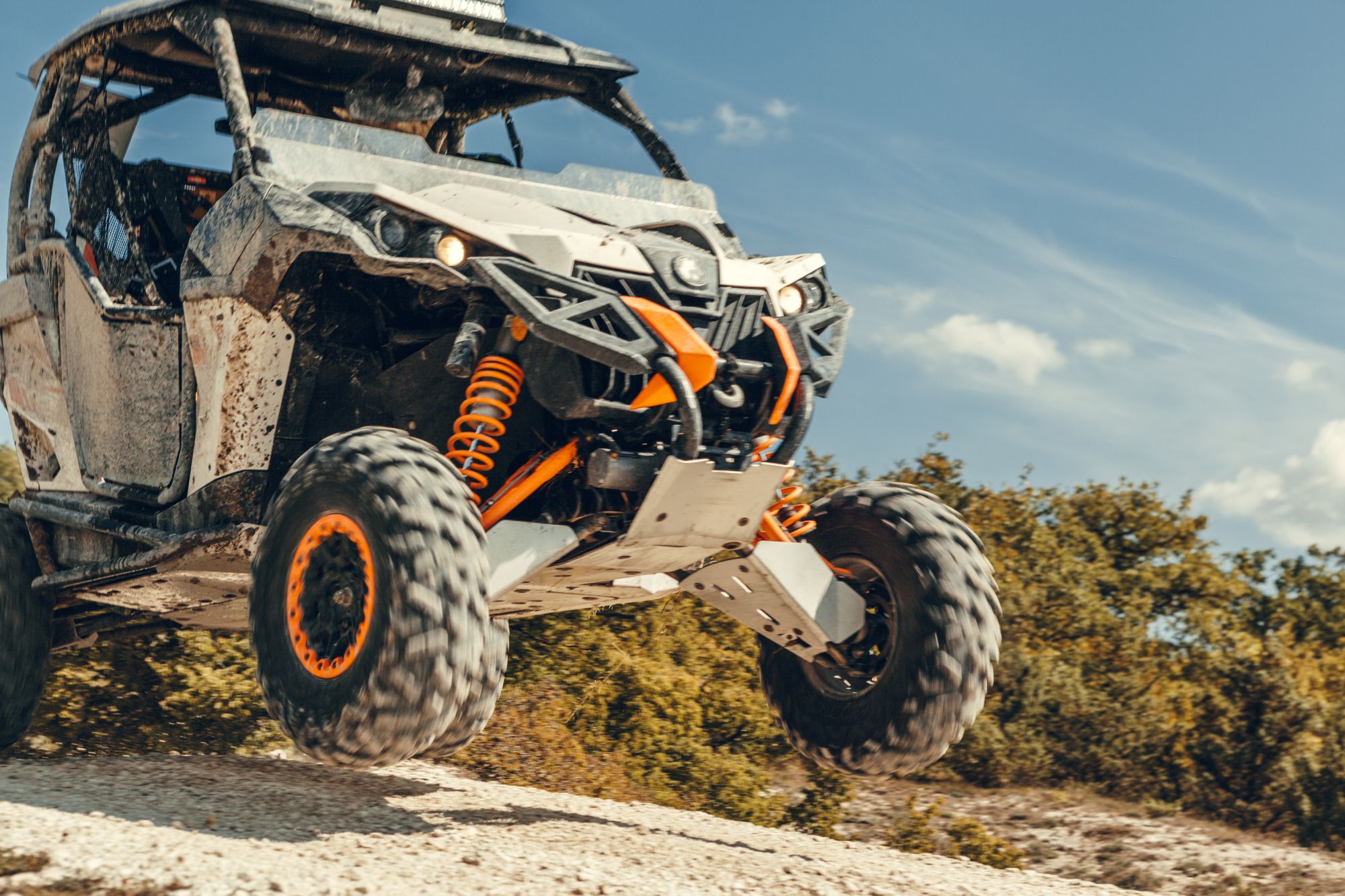
California offers some of the most diverse off-road riding opportunities in the country. From the mountains and forests of Northern California to the deserts of Southern California, riders can enjoy ATVs, side-by-sides, dirt bikes, off-highway motorcycles, 4x4s and other off-highway vehicles across thousands of acres of public and private land.
But with the excitement of off-road recreation comes real risk. Uneven terrain, steep hills, rocks, sand, hidden obstacles, other riders, changing weather and mechanical problems can quickly turn an enjoyable trip into a serious accident.
Whether you are an experienced rider or taking your family out for the first time, understanding basic off-road safety can help prevent injuries. And when an accident does happen because someone else was negligent, an experienced California personal injury attorney may be able to help you understand your legal rights and options.
Know Your Terrain Before You Ride
One of the biggest mistakes an off-road rider can make is underestimating the terrain.
California’s off-road environments can change dramatically. Mountain trails may include steep inclines, loose rocks, fallen trees, narrow paths and sudden drop-offs. Desert riding can present deep sand, dunes, washes, hidden rocks and extreme temperatures. Forest trails may contain mud, water crossings, fallen branches and limited visibility.
Before heading out, research the area and understand the difficulty of the trails you plan to ride. California State Parks recommends scouting your route, being aware of unexpected drop-offs and understanding what may be on the other side of a hill or dune.
Never assume that a trail is safe simply because you have ridden it before. Weather, erosion, fires, construction and other environmental changes can alter trail conditions.
Wear the Right Safety Equipment
Protective equipment can make a significant difference when an accident occurs.
At a minimum, California’s OHV safety guidance recommends appropriate protective equipment, including a properly fitted DOT-approved helmet, goggles, gloves, long sleeves and pants, and over-the-ankle riding boots.
For side-by-sides and other recreational off-highway vehicles, occupants should properly use seat belts or safety harnesses. California also has specific requirements concerning helmets and passengers in certain recreational off-highway vehicles.
Protective gear does not make a rider invincible, but it can reduce the severity of injuries when a crash occurs.
Understand the Rules for ATVs and Side-by-Sides
California has specific laws governing different types of off-highway vehicles.
For example, ATV operators on public lands are generally required to wear helmets. Passengers are not permitted unless the ATV is specifically designed to carry a passenger. Additional requirements apply to younger riders, including safety training and supervision requirements.
Side-by-sides, also known as UTVs, ROVs or RUVs, have different requirements. California’s OHV guidance states that helmets are required for operators and passengers, while seat belts or safety harnesses are required for occupants. Passengers should also remain in manufacturer-provided seating positions.
Before your trip, make sure your vehicle is properly registered and equipped for the area where you intend to ride. California also has equipment requirements involving items such as lighting, brakes, mufflers and spark arrestors.
Don’t Ride Beyond Your Ability
Off-road riding can be extremely technical. A trail that looks manageable from a distance may become dangerous once you encounter loose gravel, steep terrain, mud, sand or an unexpected obstacle.
One of the most important safety rules is to ride at a speed that allows you to maintain control.
California State Parks specifically advises riders to know their limits and avoid riding faster than their abilities allow.
This is particularly important when riding with a group. Experienced riders sometimes feel pressure to keep up with others, while inexperienced riders may attempt terrain beyond their skill level.
There is nothing wrong with turning around, slowing down or choosing an easier trail.
Never Ride Under the Influence
Alcohol and recreational drugs have no place behind the handlebars or steering wheel of an off-road vehicle.
Off-road riding already requires constant attention to terrain, speed, obstacles and other riders. Impairment can significantly reduce reaction time and judgment.
California’s OHV safety guidance specifically advises riders never to operate an OHV under the influence of alcohol or drugs.
If your group plans to drink at camp, designate someone who will remain sober and will not operate an OHV.
Never Ride Alone
One of the simplest ways to improve your safety is to avoid riding alone.
California State Parks recommends riding with at least one other person and preferably in groups of three. If someone is injured, another person can stay with the injured rider while someone else goes for help.
This is especially important in remote mountain and desert areas where cell service may be unreliable.
Before leaving, tell someone where you are going, what trails you plan to use and when you expect to return. Carry plenty of water, food, first-aid supplies, tools, maps and other emergency equipment.
Be Alert for Other Riders
Off-road trails can involve motorcycles, ATVs, side-by-sides, trucks, bicycles, hikers and other recreational users.
Blind corners and hills are particularly dangerous because you may not see another vehicle until it is too late.
Slow down when approaching blind corners, intersections, campsites and crowded areas. California’s OHV safety guidance recommends keeping speeds under 15 mph near campsites or groups of people.
Stay on designated trails and follow posted rules. Responsible riding protects not only you and other riders, but also California’s natural resources and continued access to recreational areas.
What If an Off-Road Accident Happens?
Even when you ride responsibly, you cannot control the actions of everyone around you.
An accident may be caused by another rider operating recklessly, a negligent driver, defective equipment, inadequate maintenance, a dangerous condition on private property or another person’s failure to take reasonable safety precautions.
If you are injured in an off-road accident, your first priority should always be getting appropriate medical attention.
When possible, document the scene. Take photographs or videos of the vehicles, trail conditions, obstacles, property damage and visible injuries. Obtain contact and insurance information from other involved parties and identify witnesses.
Do not assume that an accident is automatically your fault simply because it occurred while riding an ATV, motorcycle or side-by-side.
How Sodhi Law Group Can Help
An off-road accident can result in serious injuries, expensive medical treatment, lost income and significant emotional stress. Determining who may be responsible is not always straightforward.
If another person’s negligence contributed to your injuries, Sodhi Law Group can help evaluate the circumstances surrounding the accident and explain your legal options.
Depending on the circumstances, that may involve investigating how the accident happened, identifying potentially responsible parties, reviewing available evidence, evaluating your injuries and damages, and pursuing compensation when appropriate.
Every accident is different. Questions involving another rider, a vehicle owner, property owner, manufacturer, event organizer or other potentially responsible party can require a careful examination of the facts.
Ride Smart. Ride Prepared. Know Your Rights.
California’s mountains, deserts, forests and recreational areas provide incredible opportunities for off-road enthusiasts. With proper preparation, training, protective equipment and respect for the terrain, riders can help reduce the risk of serious accidents.
But when an accident happens because someone else was negligent, you do not have to navigate the aftermath alone.
If you or someone you love has been seriously injured in an ATV, side-by-side, dirt bike, motorcycle or other off-road accident, Sodhi Law Group can help you understand your rights and determine what steps may be available.
Don’t wait to ask questions. Contact Sodhi Law Group to discuss your situation and learn more about your legal options.